
Cyberlytics service guide
Digital marketing works when the offer, content, landing journey and follow-up describe the same useful next step. This guide connects audience planning, accessible lead capture, CRM ownership, permission-based lifecycle communication and channel delivery to evidence about qualified inquiries and completed customer tasks. Business owners can use it to scope a program; practitioners can use the procedures to configure, test and improve the operating system behind the campaigns.
By Johnathon Nguyen, Founder & CEO. .
0 of 48 steps complete
Checklist progress stays in this browser.
Complete checklist
Chapter 1: Strategy, audiences and measurement
- 1. Audit the full demand-to-response journeyRead instructions
- 2. Define a useful inquiry or completed public taskRead instructions
- 3. Map audiences to actual needsRead instructions
- 4. Build one offer ladder and message mapRead instructions
- 5. Set a baseline with denominators and time windowsRead instructions
- 6. Agree on channel roles and capacityRead instructions
- 7. Define tracking and privacy boundariesRead instructions
- 8. Approve the brief and experiment backlogRead instructions
Chapter 2: Lead capture and landing-page journeys
- 1. Choose a single primary next stepRead instructions
- 2. Write an offer-focused landing structureRead instructions
- 3. Design the smallest useful formRead instructions
- 4. Verify accessibility and error recoveryRead instructions
- 5. Implement controlled source captureRead instructions
- 6. Connect confirmation to staff deliveryRead instructions
- 7. Rehearse the complete mobile journeyRead instructions
- 8. Release a measured landing-page experimentRead instructions
Chapter 3: CRM stages and lead routing
- 1. Separate lifecycle, follow-up status and opportunityRead instructions
- 2. Set field authority and required dataRead instructions
- 3. Implement identity and duplicate handlingRead instructions
- 4. Configure service and location routingRead instructions
- 5. Define response and escalation SLAsRead instructions
- 6. Start with an explainable scoring modelRead instructions
- 7. Close the feedback loop with outcome reasonsRead instructions
- 8. Train roles and reconcile the first operating weekRead instructions
Chapter 4: Email and lifecycle marketing
- 1. Classify journeys and permission requirementsRead instructions
- 2. Prepare sender identity and deliverabilityRead instructions
- 3. Build a focused welcome sequenceRead instructions
- 4. Add service-interest nurture branchesRead instructions
- 5. Design reactivation, expansion and referral programsRead instructions
- 6. Use AI assistance within a content review processRead instructions
- 7. Test suppression, replies and failure pathsRead instructions
- 8. Launch gradually and review delivery qualityRead instructions
Chapter 5: Channel coordination and campaign delivery
- 1. Create one campaign brief for all contributorsRead instructions
- 2. Translate the message into channel-appropriate contentRead instructions
- 3. Build an accessible creative production systemRead instructions
- 4. Govern external campaign URLsRead instructions
- 5. Coordinate calendar, budgets and local variationsRead instructions
- 6. Check platform setup and launch gatesRead instructions
- 7. Operate a weekly sales-and-marketing reviewRead instructions
- 8. Maintain versioned rollback and crisis proceduresRead instructions
Chapter 6: Attribution, reporting and optimization
- 1. Reconcile source events to business recordsRead instructions
- 2. Publish a useful channel and pipeline scorecardRead instructions
- 3. Document attribution assumptionsRead instructions
- 4. Review cohort and pipeline qualityRead instructions
- 5. Prioritize an interpretable experiment portfolioRead instructions
- 6. Run a cross-team optimization reviewRead instructions
- 7. Create role-specific reporting and enablementRead instructions
- 8. Maintain the program and hand over evidenceRead instructions
What you will learn
- Build a shared demand strategy around service needs, accepted inquiries and realistic delivery capacity.
- Connect accessible campaign journeys to a maintained CRM or case-management record.
- Design email and approved SMS journeys with consent, suppression and human ownership.
- Coordinate search, social, creative and sales teams through one campaign brief and release process.
- Reconcile channel evidence with pipeline outcomes and choose defensible experiments.
Before you start
- A business or program owner, a marketing owner and a sales/intake representative who can agree on useful outcomes.
- An inventory of active offers, campaign accounts, forms, CRM stages and approved communications channels.
- Read-only baseline reports, anonymized inquiry examples and access to test environments or captured-message previews.
- Documented privacy, consent, accessibility, retention and approval requirements from the responsible organizational owners.

Chapter 1
Strategy, audiences and measurement
Start with the customer or public-service task and the organization’s ability to respond. A unified strategy resolves conflicting offers, disconnected vendor reports and vague lead goals before new creative or automation is commissioned. The output is a shared brief with a baseline, ownership and a manageable experiment backlog.

Preparation
- Invite marketing, sales or constituent intake, service delivery and the decision maker. Add regional, accessibility and records representatives where the program requires them.
- Collect the current offers, live campaign destinations and an anonymized sample of accepted and rejected inquiries.
Tools and working materials
- Demand and channel inventory
- Audience and offer matrix
- Baseline scorecard and decision log
1. Audit the full demand-to-response journey
Why this matters: A campaign can generate attention while the next team loses the inquiry.
Procedure
- List search, social, email, paid media, partners and offline sources alongside their destinations, capture methods and receiving teams. Follow representative recent inquiries through the current system using anonymized evidence.
- Record gaps in message, tracking, ownership and response. Separate a missing measurement field from a genuine customer failure; assign an owner to each finding rather than treating every issue as a creative problem.
Acceptance checks
- Every active source has a destination and an intake owner.
- The audit identifies concrete handoff failures with supporting examples.
2. Define a useful inquiry or completed public task
Why this matters: Teams cannot optimize consistently when each uses a different definition of success.
Procedure
- Write accepted, rejected and pending criteria with intake staff: relevant service or program, supported geography, sufficient contact information and a meaningful stated need. Public programs may use completed requests or successful task resolution instead of sales qualification.
- Apply the draft criteria to a small mixed sample independently, compare decisions and resolve disagreements. Record the version and review owner; retain rejection reasons without turning sensitive personal characteristics into targeting criteria.
Acceptance checks
- Two reviewers can explain the same qualification decision.
- The scorecard distinguishes raw submissions, accepted inquiries and completed outcomes.
3. Map audiences to actual needs
Why this matters: Useful segmentation supports relevant communication without guessing at people’s circumstances.
Procedure
- Group audiences by declared service interest, customer task, region or approved account segment. Record their questions, objections, accessibility needs and preferred permitted channel using research and frontline feedback.
- For enterprise account-based programs, define account selection and buying-role assumptions separately from personal identity. For agencies, validate eligibility language with the program owner and offer an accessible alternative route.
Acceptance checks
- Each segment has an evidence-based need and relevant next step.
- The matrix identifies unsupported assumptions and excludes unapproved sensitive targeting.
4. Build one offer ladder and message map
Why this matters: Conflicting promises across vendors create poor inquiries and disappointed customers.
Procedure
- Choose the primary offer and map the path from awareness to an appropriate consultation, enrollment or request. Specify the service, benefit, evidence, eligibility, limits and CTA for each stage.
- Compare active search snippets, social creative, email copy and destination pages against that map. Resolve conflicting promotions and expiration dates before launching additional channels; make the business owner accountable for the final promise.
Acceptance checks
- Each message leads to an offer that the delivery team can fulfill.
- A visitor sees consistent scope and next-step language across the chosen channels.
5. Set a baseline with denominators and time windows
Why this matters: A useful target needs enough context to distinguish improvement from traffic or reporting changes.
Procedure
- Choose a comparable recent period and count spend, eligible visits, raw inquiries, accepted inquiries and downstream completions. Note seasonal factors, campaign changes, missing records and the time lag before an outcome becomes known.
- Calculate cost per qualified inquiry as included campaign cost divided by accepted inquiries using the agreed scope. For public programs, define an appropriate cost-per-completed-task or outreach measure; never silently swap denominators between reports.
Acceptance checks
- Every baseline metric has a formula, source, owner and period.
- Unknown or incomplete data is visible rather than presented as zero.
6. Agree on channel roles and capacity
Why this matters: More distribution can overwhelm intake or compete with existing demand.
Procedure
- Give each channel a role such as answering early questions, capturing expressed demand or supporting an approved follow-up journey. Estimate the response capacity of each office or team and document budget scenarios rather than assuming unlimited throughput.
- Identify overlapping vendors, duplicated audiences and competing conversion definitions. Agree which system owns each decision and when budget or volume should be reduced because staff cannot handle the resulting demand.
Acceptance checks
- The plan connects channel volume to available intake capacity.
- Channel and vendor responsibilities have one accountable owner each.
7. Define tracking and privacy boundaries
Why this matters: Measurement should explain the journey without exposing personal details in public campaign URLs.
Procedure
- Create a naming standard for campaign IDs, sources, media and creative variants. Define the approved capture of source data, consent state and downstream outcome IDs with the privacy and analytics owners.
- Specify retention, permitted exports and aggregate reporting. Keep names, email addresses, phone numbers and sensitive request details out of UTMs and analytics events; document what measurement remains unavailable when permission is absent.
Acceptance checks
- The tracking plan uses stable campaign IDs and contains no personal data.
- Consent and retention requirements are part of acceptance criteria.
8. Approve the brief and experiment backlog
Why this matters: A shared decision record keeps later optimization tied to the agreed business problem.
Procedure
- Combine audience, offer, qualification, channel roles, capacity, baseline and measurement into a concise brief. Prioritize experiments by plausible impact, evidence quality, effort and operational risk.
- Name an owner, reviewer, success measure and stop condition for each initial experiment. Schedule a working group for marketing and intake plus an executive or agency steering review appropriate to the program’s size.
Acceptance checks
- The brief is approved by the people who own demand and response.
- The first experiments have measurable outcomes and a decision date.
Advanced variations
- For multiple brands or regions, maintain a common metric dictionary and centrally approved claims while allowing documented local service and language variations.
- A budget scenario should include creative, platform and staff capacity where relevant; channel return reports should state which costs were excluded.
- Public-sector programs need a records and approval model appropriate to their agency. A generic marketing workflow does not establish compliance.
Troubleshooting
- Vendors report success while sales rejects most leads.
Likely cause: Their conversion definitions and reporting windows differ.
Action: Reconcile a sample of submissions to the accepted-inquiry criteria, publish one shared denominator and give rejected leads consistent reasons for the next optimization cycle.
- The offer changes every week without learning.
Likely cause: No owner or hypothesis controls changes.
Action: Freeze the approved message for a defined test period, record versioned changes and prioritize one interpretable experiment at a time.
Chapter 2
Lead capture and landing-page journeys
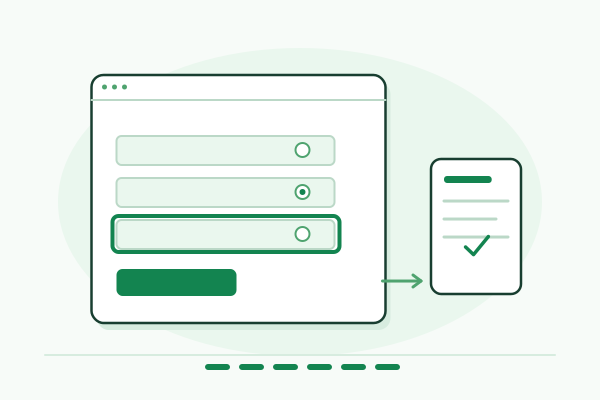
A campaign destination should make the offer understandable, let people complete the next step on a phone and deliver an inquiry that staff can use. Treat copy, accessibility, form behavior, source capture and operational delivery as one journey rather than separate tickets.
Preparation
- Use an approved staging environment and synthetic contact details. Route test notifications to a capture system or preview; do not send test campaigns to customers.
- Gather service facts, accessibility requirements, valid destination URLs and the field mapping expected by intake.
Tools and working materials
- Journey storyboard and content checklist
- Keyboard/mobile browser and assistive-technology checks
- Captured-message preview and integration test log
1. Choose a single primary next step
Why this matters: Competing CTAs can obscure what the person should do and what will happen afterward.
Procedure
- For each campaign, select the immediate action that fits the audience’s readiness: request information, schedule a conversation, complete a service request or another supported task. Write the expected response and any eligibility limits near the CTA.
- Retain secondary help where it resolves a real uncertainty, such as accessible contact alternatives or essential service details. Avoid sending an early-stage educational campaign directly to a form that asks for information the person does not yet have.
Acceptance checks
- The CTA accurately describes the next action.
- The destination explains response expectations and an alternative contact route.
2. Write an offer-focused landing structure
Why this matters: A consistent page helps people judge relevance before sharing information.
Procedure
- Organize the page around the task: clear heading, concise benefit, service scope, trustworthy evidence, important limits, FAQ and CTA. Match the campaign promise and use current, approved facts.
- For multi-location or program pages, reference reusable service facts and keep local differences explicit. Review plain language, translated material and publication ownership; remove invented urgency, unsupported performance claims and stale promotions.
Acceptance checks
- The page and incoming creative describe the same offer.
- Every claim and location-specific fact has an accountable source.
3. Design the smallest useful form
Why this matters: Every field should support a decision or reliable follow-up.
Procedure
- Map each proposed field to a routing, qualification or response need. Use appropriate types, visible labels, instructions and optional status; explain collection purpose and place approved channel-consent choices beside the relevant action.
- Keep permission to receive marketing separate from the service request when required by the organization’s policy. Do not make unnecessary sensitive information mandatory; provide a route for questions that do not fit the form.
Acceptance checks
- Required fields are justified by the task.
- The user can understand what is submitted and which communication permissions are optional.
4. Verify accessibility and error recovery
Why this matters: A visually attractive landing page can still block keyboard or screen-reader users.
Procedure
- Test heading order, link purpose, visible focus, labels, zoom/reflow and keyboard completion. Trigger invalid and missing-field states; verify errors explain the correction and are associated with the affected inputs.
- Test on a narrow phone viewport and with representative assistive technology. Include success messages, dynamic controls and any embedded scheduler; arrange captions/transcripts for meaningful media and fix manual findings alongside automated results.
Acceptance checks
- The task can be completed without a mouse and at the agreed zoom/reflow settings.
- Errors and success status are discoverable and understandable to assistive technology.
5. Implement controlled source capture
Why this matters: The CRM needs a stable source record that survives the journey without trusting arbitrary URL content.
Procedure
- Pass approved campaign identifiers from the landing request into the intake record using validated values and a documented first-touch/current-touch policy. Preserve source context through permitted redirects and embedded destinations.
- Test a tagged external link, an untagged visit and a return visit. Do not overwrite known source history just because a later navigation has no UTMs; avoid using internal UTM links that create misleading campaign sessions.
Acceptance checks
- Test inquiries retain the expected source and campaign IDs.
- Invalid or missing source values fall back to a documented category.
6. Connect confirmation to staff delivery
Why this matters: A success message must correspond to durable acceptance of the request.
Procedure
- Verify the form creates the expected stored record before it reports success. Map fields to the CRM or case system and provide a confirmation that explains timing and how to correct information or seek urgent help when appropriate.
- Exercise integration failure with a safe fixture. Keep a recoverable record, alert an authorized owner through a test capture and define replay behavior; do not tell the user an appointment is booked when only an inquiry was received.
Acceptance checks
- One submission creates one expected intake record.
- Failure handling retains the request and avoids a false completion promise.
7. Rehearse the complete mobile journey
Why this matters: The full path often fails at boundaries between platforms.
Procedure
- Start from representative social, email and search URLs on a phone-width browser. Check readable content, touch controls, consent behavior, page performance, source capture and the confirmation or scheduler handoff.
- Use permitted test identities and previews to confirm the receiving team sees usable context. Repeat with keyboard navigation and low-bandwidth conditions; include an abandoned or repeated submission so the team understands recovery.
Acceptance checks
- The journey fits the viewport with no essential hidden or clipped controls.
- A repeated test does not create an unintended duplicate or conflicting follow-up.
8. Release a measured landing-page experiment
Why this matters: A controlled comparison creates usable learning about a specific obstacle.
Procedure
- Choose one hypothesis supported by evidence, such as explaining eligibility earlier or shortening a redundant field. Define the primary accepted-inquiry or task metric and guardrails for quality, errors and accessibility.
- Record version, assignment method, start date and stopping rule. Keep traffic allocation and other major changes interpretable; if sample size is small, report directional observations and qualitative feedback rather than claiming certainty.
Acceptance checks
- The experiment changes a defined element with a versioned hypothesis.
- Quality and accessibility are checked alongside submission rate.
Advanced variations
- For enterprise personalization, start with explicit service or account context and a safe generic fallback. Cache, privacy and access rules must not expose another person’s segment or record.
- Use server-side validation and appropriate anti-abuse controls; a visible CAPTCHA choice alone does not address spam, duplication or integration resilience.
- Public-service journeys should explain eligibility and escalation clearly, with an accessible alternative for people who cannot use the digital path.
Troubleshooting
- Conversion rate rises but accepted inquiries fall.
Likely cause: The page removed useful qualification or created a misleading promise.
Action: Review rejected inquiry reasons and user feedback, restore essential scope language and assess accepted inquiries per eligible visit rather than raw form volume.
- Forms succeed in the browser but never reach intake.
Likely cause: The confirmation is disconnected from stored or delivered state.
Action: Trace a synthetic request through storage and mapping, inspect captured delivery/error evidence and repair the acknowledgement and recovery path before resuming promotion.
Chapter 3
CRM stages and lead routing
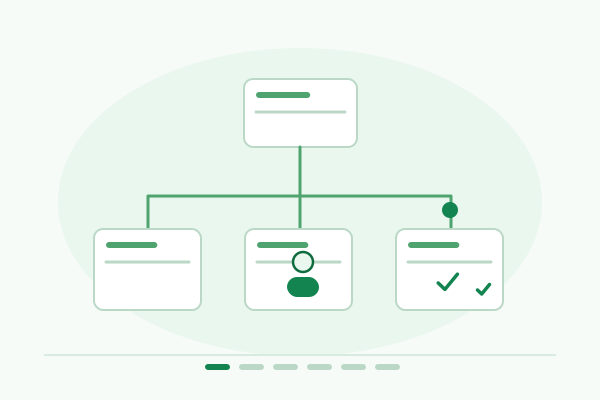
A connected CRM turns campaigns into owned work. Define stages, field authority, routing and escalation with the staff who receive inquiries. Larger programs need a documented MAP/CRM or CRM/case integration contract rather than competing copies of the same customer lifecycle.
Preparation
- Identify the system of record and named owners for marketing, intake, sales and integration support.
- Use anonymized examples covering duplicates, missing service, multiple offices and completed customers or cases.
Tools and working materials
- Stage dictionary and field mapping
- Routing decision table and response SLA
- CRM sandbox, synthetic fixtures and reconciliation report
1. Separate lifecycle, follow-up status and opportunity
Why this matters: One overloaded field produces conflicting automation and misleading reports.
Procedure
- Define the broad customer lifecycle separately from current contact status and the status of a deal or case. Give each stage a clear entry condition, exit condition, owner and permitted transition.
- Map the definitions to the selected platform’s capabilities and subscription. Document re-entry and backward-transition behavior rather than assuming every CRM updates stages the same way; use history for reporting when available.
Acceptance checks
- A contacted but unqualified inquiry can be represented without inventing a sales opportunity.
- Stage definitions and transition owners are approved by marketing and intake.
2. Set field authority and required data
Why this matters: Two systems writing the same field can repeatedly undo each other’s decisions.
Procedure
- Create a data dictionary with type, allowed values, purpose, source of truth, edit role and retention. Cover source, campaign, service interest, region, owner, consent, timestamps and outcome reasons.
- For each MAP/CRM or case integration, declare which direction each field syncs and how conflicts are handled. Limit required fields to what the relevant stage actually needs and keep credentials or sensitive message bodies out of general reporting fields.
Acceptance checks
- Every synchronized field has one authority or an explicit merge rule.
- Stage entry checks require useful data without blocking legitimate incomplete inquiries.
3. Implement identity and duplicate handling
Why this matters: Duplicate records can send repeated messages and fragment ownership.
Procedure
- Choose the platform-supported identity strategy and define how normalized contact fields are matched. Keep contact identity separate from inquiry, opportunity and case IDs so a returning person can have a new request.
- Rehearse exact duplicates, changed addresses, shared business contact points and multiple service interests. Use reviewed merge rules and preserve history; uncertain matches should go to a human queue rather than silently combining different people.
Acceptance checks
- Repeated test delivery produces one intended request and no duplicate outreach.
- Ambiguous identity cases retain evidence for authorized review.
4. Configure service and location routing
Why this matters: An inquiry needs a working owner even when the obvious team is unavailable.
Procedure
- Build a decision table for service, office, language or approved account ownership. Include missing and conflicting values, capacity limits, business hours and a backup owner.
- Test each rule using synthetic records and check the actual owner/task outcome. Where round-robin or account assignment is supported, document membership, exclusions and absence handling; avoid cross-office reassignment that breaks agreed customer ownership.
Acceptance checks
- Every fixture reaches one eligible owner or the explicit exception queue.
- No active route points only to an unavailable or departed employee.
5. Define response and escalation SLAs
Why this matters: A notification is useful only when staff know what action closes it.
Procedure
- Agree the first meaningful response, business-hour clock, contact attempts and escalation sequence. Record receipt, assignment, acknowledgement and action separately so an automated receipt does not masquerade as human contact.
- Configure due tasks and missed-follow-up alerts where included. Use a named backup, clear closure condition and manager view; rehearse after-hours and absence cases using captured alerts instead of contacting customers.
Acceptance checks
- An untouched test inquiry becomes overdue at the expected time.
- A documented staff action closes the alert without concealing the original delay.
6. Start with an explainable scoring model
Why this matters: A scoring number should help staff prioritize relevant work, not replace qualification.
Procedure
- Choose a small set of approved explicit-fit and observable engagement signals. Write the contribution, decay, exclusions and threshold for each, then review examples with sales or program staff.
- Keep sensitive traits and unavailable data out of the model. Compare recommendations to actual accepted outcomes and ensure low-scoring legitimate requests still receive the promised service; advanced AI scoring needs separate evaluation and a supported platform.
Acceptance checks
- Staff can explain why a representative record has its score.
- The score does not silently reject or hide requests that need human attention.
7. Close the feedback loop with outcome reasons
Why this matters: Marketing needs specific evidence about what happened after the handoff.
Procedure
- Define accepted, unreachable, unsuitable, timing, booked, completed and lost reasons appropriate to the workflow. Make updates easy for staff and distinguish incomplete follow-up from an actual customer decision.
- Link outcomes to the original inquiry and relevant opportunity or case. Review disagreements and missing updates in the working group; use the findings to revise messaging, routes or staff playbooks instead of blaming one channel.
Acceptance checks
- A sample of completed inquiries can be traced to source and outcome.
- Rejected inquiries include actionable reasons rather than a single catch-all status.
8. Train roles and reconcile the first operating week
Why this matters: A technically correct configuration fails if staff cannot maintain it.
Procedure
- Give each role a short playbook for acknowledging, updating, transferring and completing an inquiry. Practice common and exception scenarios in a sandbox, including absence coverage and an incorrect assignment.
- Reconcile received requests to assigned records, tasks and outcomes after controlled launch. Review access and field permissions; retain a support route and record any manual workaround so it can be repaired.
Acceptance checks
- Each staff role completes its core scenario without developer assistance.
- The reconciliation identifies unowned, duplicated and stale records with named follow-up.
Advanced variations
- For multiple products or regions, preserve a stable global lifecycle while modeling local opportunities separately. Decide which team owns cross-sell and account reassignment.
- Use a documented integration contract covering authentication, retries, event IDs, ordering and deletion/retention propagation; feature availability and limits vary by platform.
- Agency case systems may impose records and access constraints that differ from a sales CRM. Design intake routing with the designated agency system owner.
Troubleshooting
- Records bounce between owners or lifecycle stages.
Likely cause: Competing sync rules or re-enrollment criteria repeatedly overwrite state.
Action: Trace field history, identify the authoritative writer, narrow triggers and test transitions with duplicate and out-of-order events before reactivating automation.
- A dashboard looks complete while leads remain unowned.
Likely cause: Reports count record creation instead of accountable follow-up.
Action: Add owner, overdue and unresolved exception views, reconcile received requests and require a recorded action for the response metric.
Chapter 4
Email and lifecycle marketing
Lifecycle marketing helps people take a useful next step at an appropriate time. Build approved journeys around declared interests and real business states, with consent, suppression, human replies and delivery monitoring treated as part of the design.

Preparation
- Get the current consent, sending, records and content-approval requirements from the responsible owners.
- Inventory welcome, nurture, reactivation, expansion, referral and service-notification journeys; identify conflicting enrollments.
Tools and working materials
- Journey map and consent/suppression matrix
- Message previews with captured delivery
- Sender-authentication and delivery-monitoring reports
1. Classify journeys and permission requirements
Why this matters: A service update and a promotional campaign should not share an assumed permission model.
Procedure
- List each message purpose, audience, channel, trigger and business owner. Have the designated policy owner confirm consent, unsubscribe, quiet-hour, retention and channel-specific requirements for the intended use.
- Store permission evidence and suppression state in an authoritative location. Treat a service inquiry as an intake event, not automatic enrollment in every marketing list; define what happens when permission is absent or withdrawn.
Acceptance checks
- Each journey has a documented purpose and permission rule.
- A record without required permission cannot enter the corresponding promotional journey.
2. Prepare sender identity and deliverability
Why this matters: Useful copy cannot compensate for an unmaintained or unauthenticated sender.
Procedure
- Inventory authorized sending platforms and verify domain authentication, alignment and reply routing with the email administrator using current provider guidance. Keep the sender name recognizable and the reply path monitored.
- Inspect captured message headers, plain-text fallback, visible unsubscribe and supported one-click handling as applicable. Separate operational and promotional purposes in the design; begin with an approved volume and monitor deferrals, bounces and complaints.
Acceptance checks
- The configured sender passes the agreed authentication checks.
- Staff can receive replies and the recipient can use the intended opt-out path.
3. Build a focused welcome sequence
Why this matters: New inquiries need context and a human path, not a long generic drip.
Procedure
- Define the trigger, immediate acknowledgement, relevant service information and next action. Use the approved number of touches and timing; start from a simple journey the owner can explain.
- Preview every message with populated and missing fields. Make the expected response and contact route clear, use accessible text and links, and stop the sequence when a conversation, booking or completed request makes it irrelevant.
Acceptance checks
- A test record receives only the intended captured sequence.
- A booked or completed fixture exits before an unnecessary next touch.
4. Add service-interest nurture branches
Why this matters: Relevant information should follow declared need and current state.
Procedure
- Map branches to explicit service interest and lifecycle stage. For each branch, write the question the content answers, the CTA and the exit condition; provide a generic fallback for missing or conflicting data.
- Apply audience frequency limits across overlapping journeys. Test branching, changes of interest and staff follow-up; avoid inferring sensitive circumstances from browsing or using personalization fields that expose information in shared inboxes.
Acceptance checks
- Known and unknown interest fixtures follow understandable paths.
- Overlapping journeys respect the agreed contact limit and suppression rules.
5. Design reactivation, expansion and referral programs
Why this matters: A different lifecycle moment needs a different offer and permission check.
Procedure
- Define eligible inactive inquiries, current customers or completed participants with the service owner. Specify relevance, exclusion rules, ownership and what a reply should create in the CRM.
- Exclude unresolved complaints, active conversations, ineligible records and withdrawn permissions as required. Avoid presenting an old inquiry as a fresh consent; review referral incentives and claims through the organization’s normal approval process.
Acceptance checks
- Each lifecycle program uses a documented eligibility and exit rule.
- A reply creates owned work without duplicating an existing active opportunity or case.
6. Use AI assistance within a content review process
Why this matters: Draft assistance should preserve facts, tone and approved data boundaries.
Procedure
- Give the drafting tool approved service facts, audience intent, style and prohibited claims. Use synthetic or minimized context under the approved tool policy; request variants for a defined purpose rather than unrestricted personalization.
- A human reviewer checks accuracy, offer limits, accessibility, sensitive data, links and tone. Retain the approved version and reviewer; AI output cannot authorize a price, service commitment or public-program eligibility decision.
Acceptance checks
- Every released message has an accountable reviewer and version.
- The final copy contains no unsupported facts or leaked personal context.
7. Test suppression, replies and failure paths
Why this matters: The most consequential bugs often occur after a person opts out or staff takes over.
Procedure
- Use fixtures for opt-out, hard bounce, invalid address, active conversation, completed action, changed interest and missing consent. Verify the sender and CRM receive the suppression outcome through the approved integration.
- Test native reply handling and staff takeover, plus provider outage or rate limiting in a captured environment. Replays must not re-send a completed touch or re-enroll an excluded person; unresolved failures need a visible owner.
Acceptance checks
- Suppressed fixtures produce no subsequent promotional send.
- Provider failure and reply takeover preserve a single coherent communication history.
8. Launch gradually and review delivery quality
Why this matters: A controlled release gives staff time to detect confusing or unwelcome communication.
Procedure
- Approve a small eligible cohort, preview evidence and a rollback route. Name the person who can pause the journey and monitor actual delivery, replies, opt-outs and complaints.
- Expand only after operational and content checks pass. Review useful actions and CRM outcomes alongside delivery metrics; open rates are affected by mail-client privacy behavior and should not be the sole success criterion.
Acceptance checks
- The owner can pause the journey without losing intake records.
- The review includes recipient feedback and accepted outcomes rather than opens alone.
Advanced variations
- For dynamic content, use a small approved set of reusable blocks with safe fallbacks. Platform support and permission scope govern what can be personalized.
- Coordinate suppression across systems and brands according to the approved policy. A provider’s native opt-out feature does not automatically update every external CRM or workflow.
- Public communications need retained approvals, accessible formats and records-aware handling. High-volume or crisis notices should use a separately rehearsed operational plan.
Troubleshooting
- People receive nurture after booking or opting out.
Likely cause: Exit criteria or suppression updates arrive late or are ignored.
Action: Pause the affected journey, trace event ordering and authoritative suppression state, then test delayed and repeated events before resuming.
- Delivery suddenly deteriorates.
Likely cause: A sender, audience, volume or authentication change was released without monitoring.
Action: Check provider diagnostics and recent changes, reduce or pause affected traffic, repair the cause and restart with a controlled approved cohort.
Chapter 5
Channel coordination and campaign delivery
Channel coordination gives every contributor the same offer, evidence, destination and operating calendar. The goal is a coherent journey across owned and paid-ready distribution, supported by a production and approval system that can keep pace without losing quality.

Preparation
- Use the approved brief, offer map, landing destinations and tracking dictionary.
- Confirm platform access, campaign budget authority, asset rights and named reviewers for each region or department.
Tools and working materials
- Campaign brief and production board
- Versioned creative and approval register
- Launch checklist and channel delivery calendar
1. Create one campaign brief for all contributors
Why this matters: A shared brief prevents separate vendors from inventing competing offers.
Procedure
- Document audience, useful problem, approved promise, proof, destination, CTA, channel role, campaign ID, timeline and measurement. Include service limits and the sales or program feedback that shaped the message.
- Assign required asset formats, reviewers and release owners. Ask search, social, email and intake contributors to confirm the same interpretation before production; resolve unclear ownership in the brief rather than during launch.
Acceptance checks
- Every contributor uses the same approved offer and destination.
- The brief identifies deliverables, approval gates and accountable release owners.
2. Translate the message into channel-appropriate content
Why this matters: Consistency does not require identical copy or formats everywhere.
Procedure
- Develop search intent themes, educational social angles, email topics and short-form video concepts around the approved customer questions. Adapt length, framing and CTA to the channel and lifecycle stage.
- Retain accurate service facts and brand tone across variants. Where AI assists drafting, use approved inputs and human review; record which variants are creative hypotheses rather than confirmed customer insights.
Acceptance checks
- Each asset fits its channel while preserving the approved promise.
- The asset map connects content to a specific audience need and journey stage.
3. Build an accessible creative production system
Why this matters: Reusable production standards make quality repeatable.
Procedure
- Create templates for captions, alt text, transcripts, readable overlays, link labels and supported mobile crops. Verify rights to images, music, testimonials and third-party material before scheduling.
- Version assets with their brief and destination. Review contrast, text visibility and essential information outside images; a video should have the approved caption/transcript treatment and a useful static alternative where needed.
Acceptance checks
- Required accessibility and rights checks are recorded for each released asset.
- Mobile crops and previews retain the meaningful content and CTA.
4. Govern external campaign URLs
Why this matters: One naming system prevents avoidable reporting fragmentation.
Procedure
- Generate external destination URLs from the tracking dictionary using consistent source, medium, campaign and creative labels. Use stable IDs and lowercase conventions where agreed; preserve platform auto-tagging according to the analytics design.
- Test redirects and query preservation against the final destination. Keep personal details out of tags, record URL versions with assets and avoid tagging internal navigation as a new acquisition campaign.
Acceptance checks
- Every external asset has a tested destination and approved campaign label.
- Equivalent variants roll into the intended reporting group without leaking personal data.
5. Coordinate calendar, budgets and local variations
Why this matters: Operational overlap can confuse audiences and overload service teams.
Procedure
- Create a release calendar with offer windows, email frequency, social publishing, paid-ready assets and intake capacity. Record budget scenarios and who may approve spend or reallocations.
- For regional programs, define allowed local facts, translations and scheduling differences while protecting central claims and reporting IDs. Plan an override for unavailable services, unexpected demand or a public communications incident.
Acceptance checks
- The calendar avoids conflicting promotions and unsupported volume.
- Local variations have a reviewer and retain common measurement identifiers.
6. Check platform setup and launch gates
Why this matters: Correct assets can still fail through permissions, targeting or destination mistakes.
Procedure
- Confirm authorized account roles, applicable platform policies, audience eligibility, locations, exclusions and budget limits with the channel owner. Preview assets and links in the actual platform before release.
- Use a two-person launch review for consequential campaigns. Rehearse pause or correction, confirm consent-aware measurement and check that intake staff know the timing; avoid enabling a production campaign merely to test appearance.
Acceptance checks
- The launch record includes platform, destination, permission and budget checks.
- A named owner can pause or correct the release promptly.
7. Operate a weekly sales-and-marketing review
Why this matters: Feedback needs a predictable route back into creative and journey decisions.
Procedure
- Review accepted inquiries, missing follow-up, delivery failures, customer questions and active experiments with intake staff. Use a small set of anonymized examples to explain the numbers.
- Choose a limited set of changes, assign owners and record reasons. Enterprise programs may use a working group and monthly steering review; agencies should align the cadence with program approvals and records practices.
Acceptance checks
- The review produces decisions and owners, not just separate channel slides.
- Staff feedback is linked to a concrete message, routing or experience change.
8. Maintain versioned rollback and crisis procedures
Why this matters: A campaign operation needs a safe response when facts or circumstances change.
Procedure
- Store released copy, assets, destinations, audiences and approvals so the team can identify what is live. Define who pauses campaigns, replaces inaccurate information and communicates with affected internal teams.
- Practice a safe tabletop for a broken destination, unavailable service and high-volume or crisis communication. Keep essential public-service information accessible and document corrections through the organization’s approved records process.
Acceptance checks
- The team can identify and pause all assets for one campaign.
- The runbook covers ownership, correction and communication without deleting needed evidence.
Advanced variations
- For account-based or multi-region programs, keep account and segment definitions governed separately from creative production; access to a segment does not itself authorize outreach.
- Tie paid-media expansion to reliable qualification and response capacity. Higher traffic is not useful when the operational journey has unresolved failures.
- A dedicated strategist or partnership cadence should have explicit decision rights, escalation windows and an executive scorecard, as agreed in the scope.
Troubleshooting
- Teams launch incompatible messages in the same week.
Likely cause: The calendar and offer approval are not shared.
Action: Pause conflicting assets where needed, reconcile them to the approved offer map and require campaign IDs and a common release review.
- Regional reporting cannot be compared.
Likely cause: Local teams use different tags, qualification rules or cost scopes.
Action: Normalize the metric dictionary and campaign IDs, retain legitimate local variants and annotate historical reports that cannot be reconciled.
Chapter 6
Attribution, reporting and optimization
Reporting should help the organization decide what to improve, continue or stop. Reconcile observed marketing data with the system that records qualified work and outcomes. Explain the limits of attribution, keep reporting windows comparable and treat experiments as controlled operational changes.

Preparation
- Gather the metric dictionary, approved source IDs, CRM outcomes and cost scope.
- Confirm report access, identity/privacy boundaries, outcome lag and the people who will act on the findings.
Tools and working materials
- Reconciliation workbook and metric dictionary
- Channel/pipeline scorecard with annotations
- Experiment register and executive decision log
1. Reconcile source events to business records
Why this matters: A dashboard cannot be trusted until its underlying counts make sense.
Procedure
- For a defined period, compare stored inquiries, analytics conversion events, CRM records and provider delivery totals. Use aggregate or pseudonymous joins approved by the data owner, and explain exclusions such as spam, duplicates and unavailable consent.
- Trace a few synthetic fixtures end to end and sample anonymized production exceptions. Record expected differences instead of forcing all systems to match; analytics events and CRM records may use different timing and identity rules.
Acceptance checks
- The report explains material differences between capture and CRM totals.
- Known duplicates, spam and missing-source records are handled consistently.
2. Publish a useful channel and pipeline scorecard
Why this matters: Leadership needs a small set of actionable measures with stable definitions.
Procedure
- Show included spend, accepted inquiries, cost per qualified inquiry, response performance and booked or completed outcomes by relevant source and region. Include denominators, date range, lag and data freshness.
- For public programs, emphasize task completion and outreach effectiveness; for enterprise, add qualified pipeline contribution with defined opportunity values. Avoid mixing revenue, pipeline estimates and completed outcomes in one unexplained return metric.
Acceptance checks
- Each reported metric can be traced to a formula and source.
- The scorecard shows outcome quality and response performance alongside channel volume.
3. Document attribution assumptions
Why this matters: Observed credit changes when the reporting model or data availability changes.
Procedure
- State whether the view uses first touch, last touch, platform-reported attribution or another approved model. Document lookback windows, identity coverage, offline outcomes and any consent-related gaps.
- Compare models only over the same population and period. Treat platform self-reported conversion totals as overlapping evidence, not additive unique customers; separate observed attribution from claims about incremental effect.
Acceptance checks
- The report names its model and material blind spots.
- Cross-platform totals are not summed as if they represented distinct outcomes.
4. Review cohort and pipeline quality
Why this matters: Recent leads and mature outcomes cannot be compared without accounting for time.
Procedure
- Group inquiries by receipt period, service, region or approved segment and follow their progression. Compare acceptance, contactability, booking and completion after a consistent maturity window.
- Inspect drop-off reasons and operational capacity before blaming a channel. For forecasting, state assumptions about close rates, values and time-to-outcome; keep unknowns visible and avoid treating unworked leads as confirmed losses.
Acceptance checks
- Cohort comparisons use a stated maturity period.
- Quality findings distinguish audience relevance from follow-up and capacity failures.
5. Prioritize an interpretable experiment portfolio
Why this matters: A limited portfolio preserves learning and delivery capacity.
Procedure
- Turn findings into hypotheses about offer, audience, creative, landing friction, follow-up or routing. Rank them by potential useful outcome, confidence, effort and guardrail risk.
- Give each test a version, owner, primary metric, minimum practical change and stopping rule. Use a randomized comparison or approved holdout where feasible; record when low volume or non-random assignment limits conclusions.
Acceptance checks
- Every active experiment has a documented hypothesis and decision rule.
- Concurrent tests do not create unexplained changes to the same audience or journey.
6. Run a cross-team optimization review
Why this matters: The most effective next change may be operational rather than promotional.
Procedure
- Review scorecard trends and examples with marketing, sales/intake and the service owner. Look for consent, delivery, accessibility, routing and capacity failures before increasing spend.
- Record one or more decisions to continue, revise or stop, with evidence and a responsible owner. Use the agreed weekly or bi-weekly working cadence plus monthly executive or quarterly agency review where appropriate.
Acceptance checks
- Decisions connect evidence to a named action and next review.
- The team can explain why a budget or workflow change was approved.
7. Create role-specific reporting and enablement
Why this matters: An executive view and a staff work queue serve different tasks.
Procedure
- Provide staff with actionable unowned, overdue and exception lists; give managers coaching and capacity views; give leadership a concise outcome and risk summary. Apply access controls so detailed contact information is visible only to authorized roles.
- Train users to interpret definitions, lag and attribution limits. Document how to correct a bad source or outcome without rewriting history, and keep the dashboard owner and support route visible.
Acceptance checks
- Each role has a report tied to its actual decisions.
- Users can explain the difference between a work queue and a performance scorecard.
8. Maintain the program and hand over evidence
Why this matters: Continuous improvement depends on durable ownership and usable documentation.
Procedure
- Deliver the brief, mappings, journey versions, approvals, test evidence, report dictionary and current experiment backlog. Name owners for sender health, CRM hygiene, integrations, creative accuracy and recurring reviews.
- Schedule access reviews, platform-change checks and workflow rehearsals. Track unresolved risks and contractual support windows; update the operating handbook after a material change instead of leaving the original launch plan as the only documentation.
Acceptance checks
- The receiving team can operate, pause and troubleshoot the system.
- The maintenance schedule covers data, delivery, content and response ownership.
Advanced variations
- Multi-touch reporting requires an approved data architecture and sufficiently reliable identity and event coverage. More sophisticated attribution cannot repair missing outcomes or conflicting stage definitions.
- A credible holdout or randomized experiment can test incremental effect, but power, contamination and operational fairness must be assessed before making a strong causal claim.
- Capacity and forecast views should expose assumptions and uncertainty. They support planning; they are not guarantees of revenue or public-program uptake.
Troubleshooting
- The reported ROI changes dramatically without a business change.
Likely cause: A model, lookback window, cost scope or stage definition changed.
Action: Compare report versions, reconcile a stable cohort and annotate the change before leadership uses the result to reallocate budget.
- Experiments never produce decisions.
Likely cause: Hypotheses lack stopping rules or the team changes multiple variables continuously.
Action: Reduce the portfolio, define an observable primary outcome and a decision date, and preserve a change log with the limitations of each result.
Choose the right package scope
The current Cyberlytics Digital Marketing offerings connect demand strategy, campaign operations, lifecycle automation and CRM reporting. They range from one offer and starter journeys to multi-region or public-sector programs. Confirm the number of workflows, platforms, creative deliverables, integrations, training sessions and ongoing review cadence in the selected package and written proposal. This guide describes the broader workflow; every checklist is not a promise of work in every tier.
Organization sizes
- Individual
- Start with one primary offer, one accepted inquiry definition and a dependable owner. Basic establishes connected tracking and welcome follow-up; larger scopes add testing, lifecycle programs and a shared growth review.
- SMB
- Unify offers, source fields and handoffs across offices or service lines. Plan location-aware routing, shared creative briefs and reporting that sales and marketing both accept. Full programs add expansion, referral and win-back journeys with staff enablement.
- Enterprise
- Resolve multi-product and regional governance, MAP/CRM ownership, data pipelines and pipeline-quality definitions. Advanced personalization and next-best-action recommendations depend on platform support, approved data and reliable evaluation; name a program lead and steering cadence.
- Government
- Use service awareness, request completion and constituent response as outcomes. Agency policy owners define consent, records, accessibility, mandatory approval and permitted tools. Larger programs require multi-department routing, audit evidence and high-volume or crisis communications readiness.
Package tiers
- Basic
- A baseline audit, focused offer or public-service journey, tracking and field standards, starter workflows and a usable scorecard. Agree on implementation boundaries and recurring monitoring responsibilities.
- Standard
- A coordinated campaign program with broader content and journeys, CRM scoring or routing where included, accessible landing improvements and regular cross-team optimization. Document platform limits and review gates.
- Full
- An end-to-end lifecycle operating system with advanced integrations, personalization or experimentation as supported, executive insight and ongoing leadership. Define support windows, budget decisions and the organization’s own operational responsibilities.
Illustrative example: a multi-office advisory firm
A firm has three offices, separate search and social vendors, and a CRM that receives inconsistent source fields. Submissions rise, but staff disagree about quality and follow-up. This is a planning example, not a report of a Cyberlytics client result.
Decisions and implementation
- Agree one consultation offer and accepted-inquiry definition with office managers.
- Use a shared campaign brief, accessible landing template and source dictionary across channels.
- Route by declared service and office with a backup owner, business-hour SLA and outcome reasons.
- Release a reviewed welcome journey that stops on staff takeover, booking or permission withdrawal.
- Review mature inquiry cohorts and test one identified landing or follow-up obstacle at a time.
Evaluation
- Reconcile captured submissions to owned CRM inquiries with explained exclusions.
- Compare accepted inquiries and booked consultations per eligible visit over a stated maturity period.
- Track unowned records, response timing and opt-out handling as operational guardrails.
- Review staff feedback and attribution limitations before reallocating channel budgets.
Handoff
- Approved demand brief, offer map and qualification dictionary.
- Accessible destination and creative standards with released asset versions and approvals.
- CRM field authority, stage model, routing table and response/escalation playbooks.
- Journey maps, permission/suppression rules, sender checks and captured-message test evidence.
- Metric definitions, reconciliation notes, dashboard roles and attribution assumptions.
- Named operational owners, pause/correction runbook, review cadence and prioritized experiment backlog.
Maintenance and review
- Monitor sender delivery, replies, opt-outs and workflow exceptions according to the agreed cadence.
- Review unowned, duplicate and overdue inquiries; reconcile important source and outcome fields.
- Check active offers, links, accessibility and local service facts before each release.
- Review platform permissions, authentication, integration changes and permitted data handling.
- Hold the agreed cross-team and leadership reviews, documenting budget and experiment decisions.
- Rehearse pause, outage and high-volume communication procedures and refresh staff training after material changes.
Glossary
- Qualified inquiry
- An inquiry meeting agreed service, need and contactability criteria. Its definition must be stable enough for marketing and intake staff to apply consistently.
- Offer ladder
- A sequence of useful next steps, such as learning about a service, requesting an assessment and booking a consultation. Each step should suit the person’s readiness.
- Lifecycle stage
- A broad position in the customer or constituent journey. Keep it distinct from a salesperson’s current follow-up status and from a particular opportunity or case.
- Service-level agreement (SLA)
- An agreed handoff, response and escalation expectation with an owner, business-hour rules and evidence of completion.
- UTM parameters
- Campaign labels carried on external destination URLs to identify source, medium, campaign and creative. They describe traffic; they do not prove incremental demand.
- Suppression
- A rule that prevents a message because of opt-out, invalid address, completed action, policy restriction or another approved exclusion.
- Marketing automation platform (MAP)
- A system for segmented communication and journeys. The CRM or case system remains the agreed record of ownership and business outcomes.
- Attribution
- A model that assigns observed outcome credit to recorded touchpoints. Results depend on identity, data availability, lookback windows and model assumptions.
- Incrementality
- The additional outcome caused by an intervention compared with a credible alternative. Attribution reports alone do not establish it.